Eagle Home Appraisal Charlotte
Probate appraisals in Mecklenburg County
Settling an estate is already a lot to carry. Whether the house needs a formal appraisal at all is a fair question to ask first, and we will help you think it through before you order anything.
North Carolina lets a personal representative hire an appraiser. It does not require one.
What to expect when you call
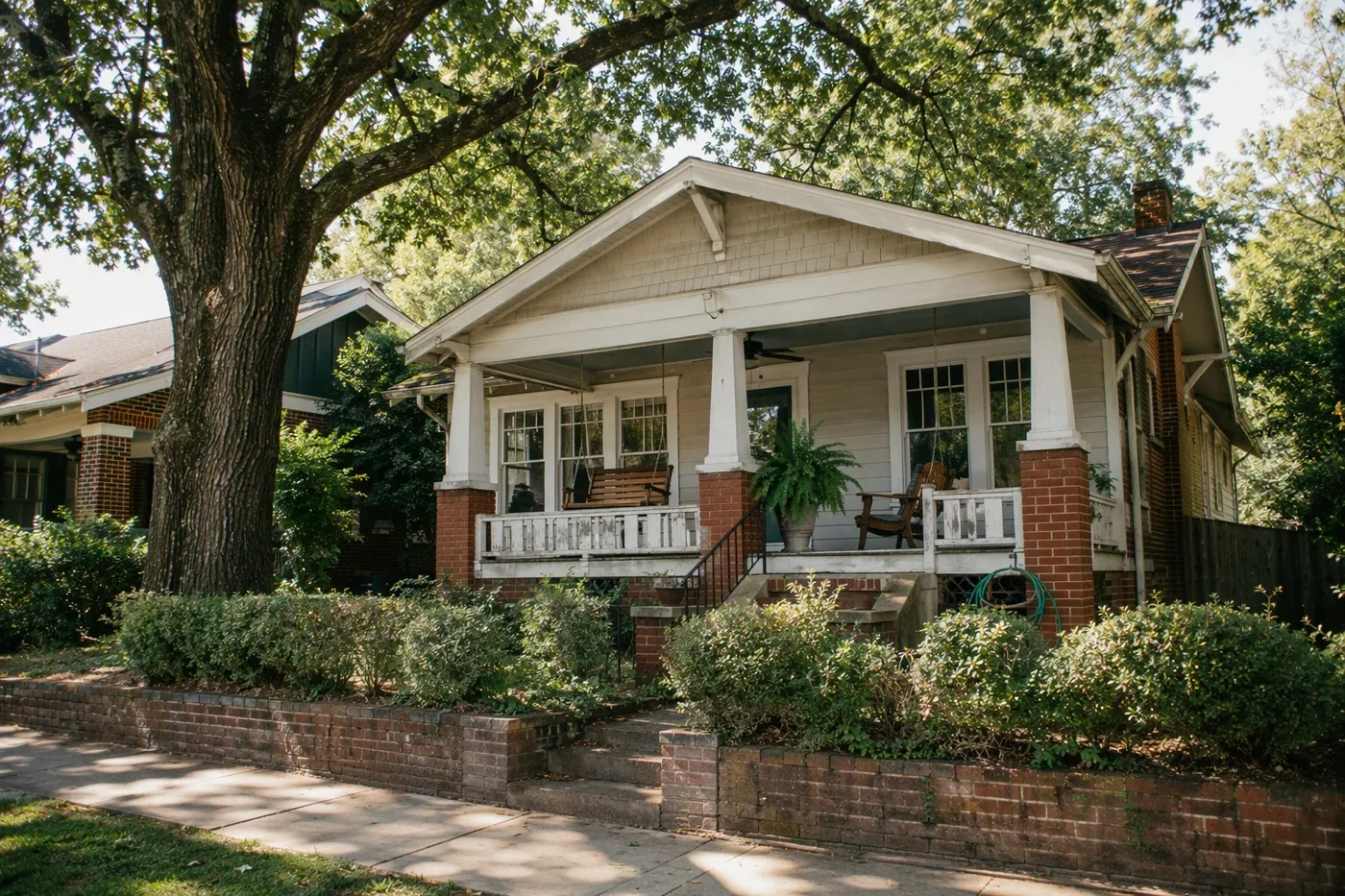
Start with the estate’s attorney, who can say whether this house needs a formal value at all. If it does, call us with the address and the date of passing, and we will talk through the scope, the fee and the timing before anything is ordered.
Does this house need an appraisal at all?
Often the honest first answer is "maybe not." North Carolina lets a personal representative bring in an appraiser but does not require one (G.S. 28A-20-4). The statute speaks to assets whose value is open to "reasonable doubt," and whether that describes this house is a conversation for you and the estate's attorney. If an appraiser is used, the inventory lists the appraiser's name and address next to that asset.
Who looks after a Charlotte estate
In North Carolina the Clerk of Superior Court in each county serves as judge of probate (G.S. 28A-2-1; G.S. 7A-241). An estate belongs in the county where the person lived (G.S. 28A-3-1), so a Charlotte resident's estate is handled in Mecklenburg County by the Clerk's Estates Division. The Judicial Branch's Estates help page is a gentle place to start reading.
Where the house fits in
Title to a North Carolina house passes to the heirs at the moment of passing, or to the people named in a probated will (G.S. 28A-15-2(b)). The Judicial Branch says land and houses "generally are not administered through the probate estate," unless the will directs otherwise or a sale is needed to pay debts. A personal representative may take control of the house only when that serves the administration and, in most cases, only after asking the clerk for an order (G.S. 28A-13-3). Selling it to cover debts also starts with a petition to the clerk (G.S. 28A-17-1).
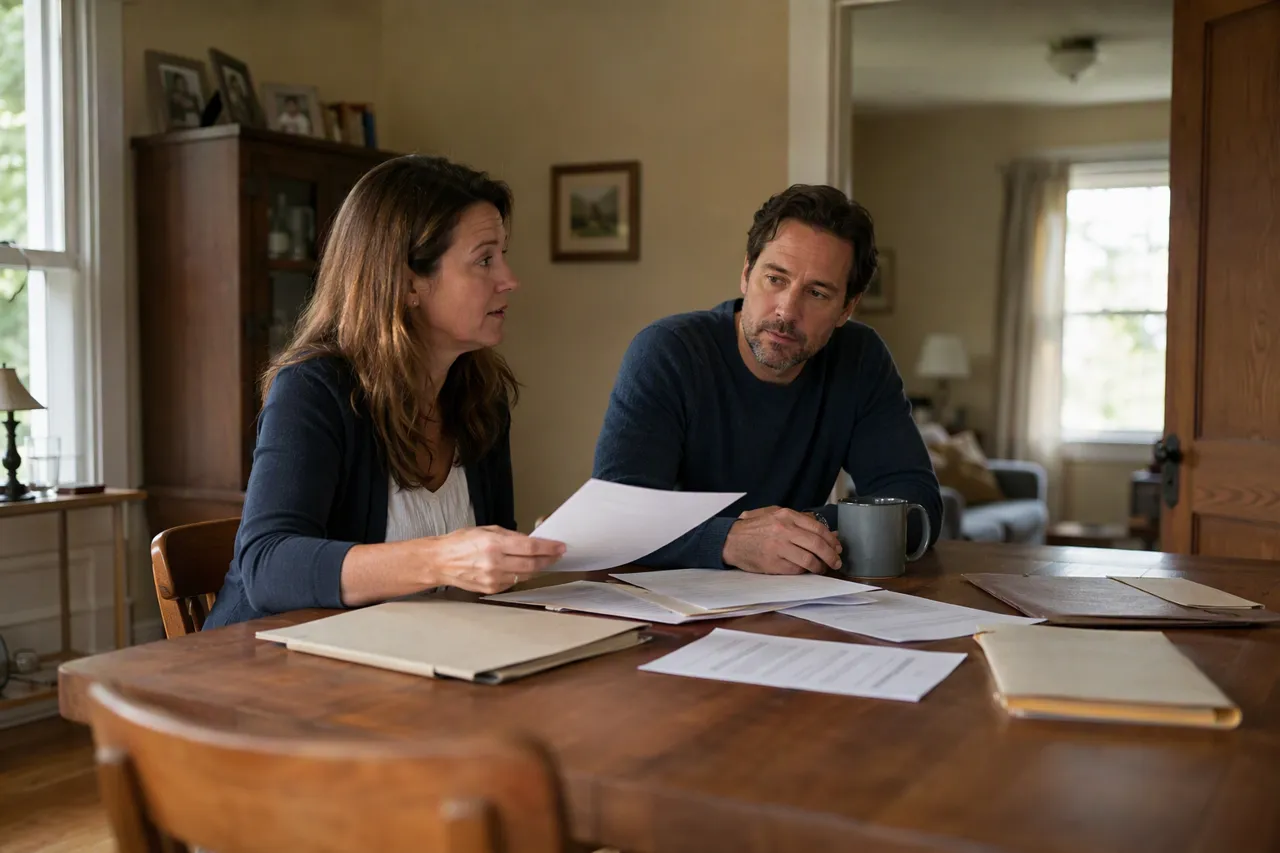
The house can still turn up in the file. The statewide inventory form, AOC-E-505, has a part for property the estate may draw on to pay claims, and there it asks for the fair market value of real estate as of the date of passing. Property held as tenants by the entirety, life estates and real estate willed to the estate are left out of that item.
The three-month clock
The personal representative owes the clerk a sworn inventory within three months of qualifying. The clerk can allow more time (G.S. 28A-20-1). The form asks for values as of the date of passing. If an inventory runs late, the clerk must order it filed or have the personal representative explain why not (G.S. 28A-20-2), and if a value turns out to be wrong, the fix is a supplemental inventory (G.S. 28A-20-3).
What the value depends on
The day being valued
For the inventory, it is the date of passing. A sale, a buyout among heirs or a creditor's claim can bring in a different date, so settle which one you need before anything else.
The house on that day
Estate houses are often emptied, repaired or freshened up before they are sold. The report describes the house as it was on the date, which is why dated photos and receipts help so much.
Who will read it
The personal representative, the heirs, the estate's attorney and a tax adviser may all rely on the report. Tell us who they are before the work begins.
Looking back to the date of passing in Charlotte
Any appraisal as of the date of passing is a retrospective one. It values the house as of a past effective date from the sales and market conditions of that time, not today's prices, which is something no automated estimate or citywide median can do for a single property. Where the house has changed since, the appraiser works from records of its earlier state and discloses the assumptions used.
Before you call, a few Mecklenburg County sources are worth a look: the Register of Deeds for the deed and plats (online from March 1990, with a historical index for older documents); the county's POLARIS map for the parcel number and layers such as historic districts; and the Office of Tax Administration for the assessed value, which dates from the 2023 revaluation and is a record to verify, not a date-of-passing figure.
Taxes: confirm the use with your adviser
North Carolina levies no estate or inheritance tax for people who pass away now, so no state tax imposes its own valuation date. Nor does any federal inheritance tax exist. The federal levy when someone passes is the estate tax, charged to the estate, and it reaches only estates larger than a threshold that depends on when the owner passed away: $15,000,000 for a U.S. citizen or resident who passes away in 2026 (figure from the IRS's estate tax page). The value as of the date of passing still matters for heirs, since federal basis in inherited property is generally its fair market value at the date of passing (IRS: gifts and inheritances). The alternate valuation date comes into play only when the executor elects it on the federal estate tax return (26 U.S.C. 2032).
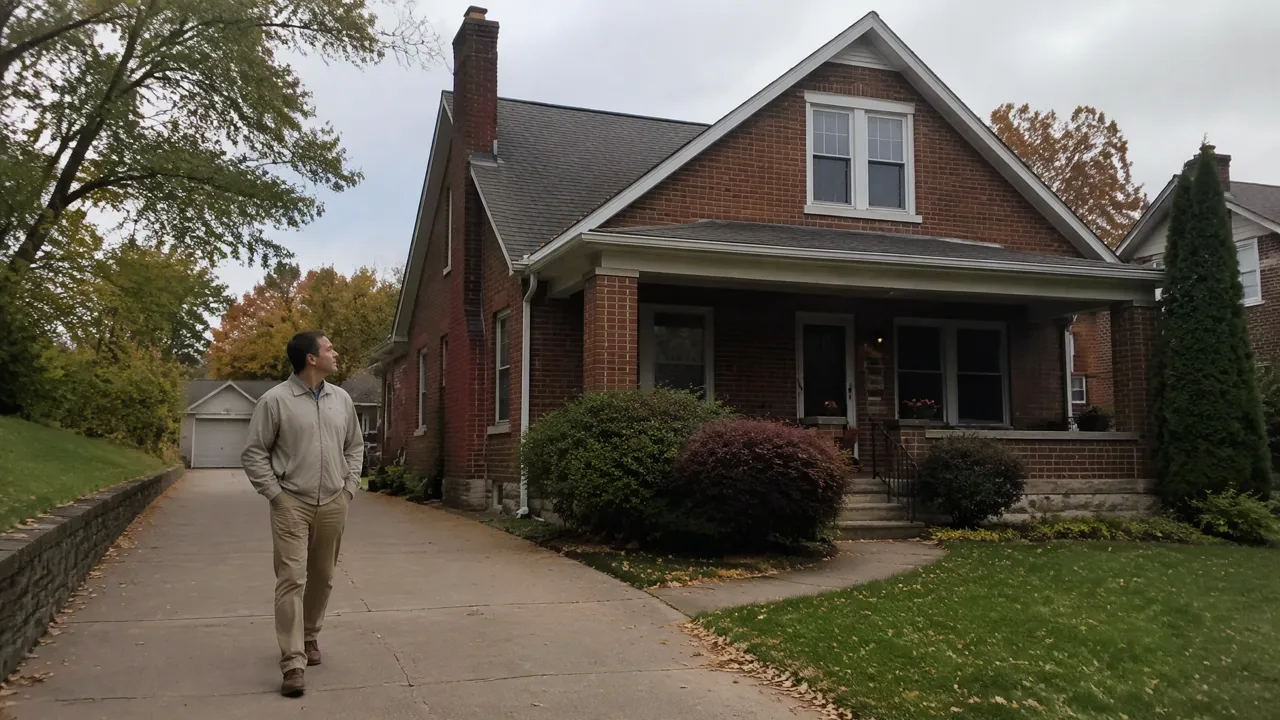
What the estate must file, and which date it needs, is for your attorney or tax adviser to confirm. An appraisal does not decide a tax outcome or guarantee acceptance by any court or agency.
What to have in hand when you call
None of this has to be complete. Bring what you have, and tell us what you do not.
| What to bring | Why it helps |
|---|---|
| The address and the parcel number | So we can find the house and what the county has on file |
| The date of passing, and your role in the estate | So we know the effective date and who will read the report |
| Guidance from the estate's attorney | So the report fits what the estate needs |
| How the house looked on that date, and what has changed since | So we can tell then from now |
| How to get in, and the inventory deadline | So the inspection and delivery can be planned |
What happens after you call
- We talk it through. You tell us the property, the date, who will use the report and your deadline. We send a written scope, fee and delivery estimate before any work starts.
- We see the house. We arrange a time to get in, and you share what you have about how the house looked on the date of passing and since.
- We do the research. We study the sales and market conditions around that date and bring them together into an opinion of value.
- You read it first. Check the effective date, the intended use, the users and the assumptions, and tell us about anything that is factually off.
Fee and timing
The fee and timing depend on how far back the date is, what records survive, whether the house is empty or lived in, and how close the inventory deadline is. With the three-month clock running, ask for a written scope, fee and delivery estimate early.
If the house passed outside probate, see estate appraisals. If your question is about the heirs' basis, the IRS step-up page covers it.
Tell us which house and which date
Share the Charlotte address, the date of passing and the people who will rely on the report; we will come back with a proposed scope and next steps.
A few questions that come up.
Is an appraisal required in North Carolina probate?
No. G.S. 28A-20-4 allows a personal representative to bring in appraisers but does not require it. The estate’s attorney can tell you whether this house’s value is uncertain enough to warrant one.
Where is a Charlotte estate handled?
In Mecklenburg County, by the Clerk of Superior Court’s Estates Division. The sworn inventory is generally due within three months of qualifying, and the clerk can allow more time.
Eagle Home Appraisal Charlotte