
Eagle Home Appraisal Charlotte
Step-up appraisals for inherited Charlotte homes
If you inherited a house and may sell it, the value on the date it passed to you can decide how much of the sale is taxable gain. A good record made now can save a hard conversation later. Call and we will talk about the date and the paperwork.
This is the basis question: what the house was worth then, not what it would bring today.

What to expect when you call
A step-up appraisal looks back to the date the house passed to you. Gather what you can from that time (photos, listings, repair records), call with the address, and we will explain what the report would cover and what it would cost before you go ahead.
Why the date matters if you may sell
The IRS's general rule: inherited property takes as its basis what it was worth, its fair market value, on the day the owner passed away, and if the heir later sells above that basis, the excess is a taxable gain (IRS: gifts and inheritances). For that purpose an inherited Charlotte house is valued as of the date of passing; today's list prices answer a different question.
"Step-up" describes the common outcome, not a guarantee, because basis can also step down. An alternate valuation date, generally six months after the passing, is available only when the executor elects it on the federal estate tax return, and the Code lets the executor choose it only when doing so shrinks both the gross estate and the tax owed (26 U.S.C. 2032). The IRS adds that, for some estates since 2015, the heir's basis must be consistent with the value finally settled for federal estate tax purposes (26 U.S.C. 1014(f)).
Three things today's price cannot tell you
When
Usually the date of passing, which may be years before anyone orders a report. The research centers on sales that closed, and on market conditions, around that date.
What the house was like
Since then an heir may have remodeled it, rented it out or emptied it. The report describes it as of the effective date, built from the records you can provide.
Which evidence counts
A document created later can still prove an earlier fact, an old listing or an inspection report for instance. The appraiser chooses evidence that fits the date and explains how it was used.
The taxes that matter for a North Carolina estate
- Federal. There is no federal inheritance tax. The estate tax is the federal levy when someone passes, and the executor pays it. Whether a return must be filed turns on size: the gross estate, plus adjusted taxable gifts and any specific gift tax exemption, has to exceed $15,000,000 for a U.S. citizen or resident who passes away in 2026 (threshold table: IRS estate tax page). An executor below that threshold may still file in order to elect portability.
- North Carolina. Neither tax survives here: the inheritance tax ended for owners who passed away on or after January 1, 1999, the estate tax with owners who passed away on or after January 1, 2013 (Chapter 105, Article 1; Article 1A). No state tax sets a separate valuation date.
- Income tax on what is inherited. Usually none for the heir. Rental income or other earnings the property produces afterward are a different matter and are taxable (IRS Publication 525).
- A house the spouses owned together. The list of community-property states in IRS Publication 555 does not include North Carolina, which means the special community-property basis rule in 26 U.S.C. 1014(b)(6) generally does not apply here. Before assuming a full step-up on a home you held with your spouse, ask your tax adviser how basis works for you.
September 2026 is not your effective date
The Charlotte service-area page shows a September 2026 median sold price of $418,270 over 830 sold listings for the Charlotte city boundary, Single Family + Condo/Townhouse/Apt. Source: RPR Market Trends, September 2026. A passing in an earlier year, or just a few months before that month, belongs to a different market, and no citywide median can stand in for one house.

Mecklenburg sources for a look back
The county keeps records that help reconstruct the house as of the passing. The Register of Deeds has deeds and plats, online from March 1990 and in a historical index before that. The POLARIS parcel map identifies the lot. The Office of Tax Administration holds assessed values; Mecklenburg revalues every four years and current values trace to the 2023 revaluation, so treat an assessed value as a clue rather than a date-of-passing market value.
Settle the date and purpose with your adviser first
Your tax adviser or the estate's attorney should identify the effective date and the intended use before you order. The appraisal gives an opinion of value; the tax result is not its to decide, and neither IRS nor court acceptance can be guaranteed.
What to have in hand
Bring what you can find. Old photos and papers help.
| What to bring | Why it helps |
|---|---|
| The property address and the county parcel number | So we know the house and which records to search |
| The date of passing, and who will rely on the report | So we know the effective date and the readers |
| Photos, listings or inspection reports from around then | So we can see the house as it was |
| Renovations or repairs made since | So later work stays out of the past value |
| Your adviser's instructions and your filing date | So scope and timing are set before the fee |
What happens after you call
- We start with the date. You tell us the property, the effective date your adviser named, who will read the report and your deadline. A written scope, fee and delivery estimate comes before any work.
- We learn what the house was like then. We arrange a time to get in, and you send the records that exist from the effective date onward.
- We study the market of that time. We analyze sales and conditions for the effective date and explain how they support the value.
- You read it before relying on it. Look over the effective date, the intended use, the assumptions and the limitations, and flag any factual error.
Fee and schedule for a retrospective report
Distance back in time, available records, access and your filing date drive both fee and schedule, so ask for a written scope, fee and delivery estimate before booking the work.
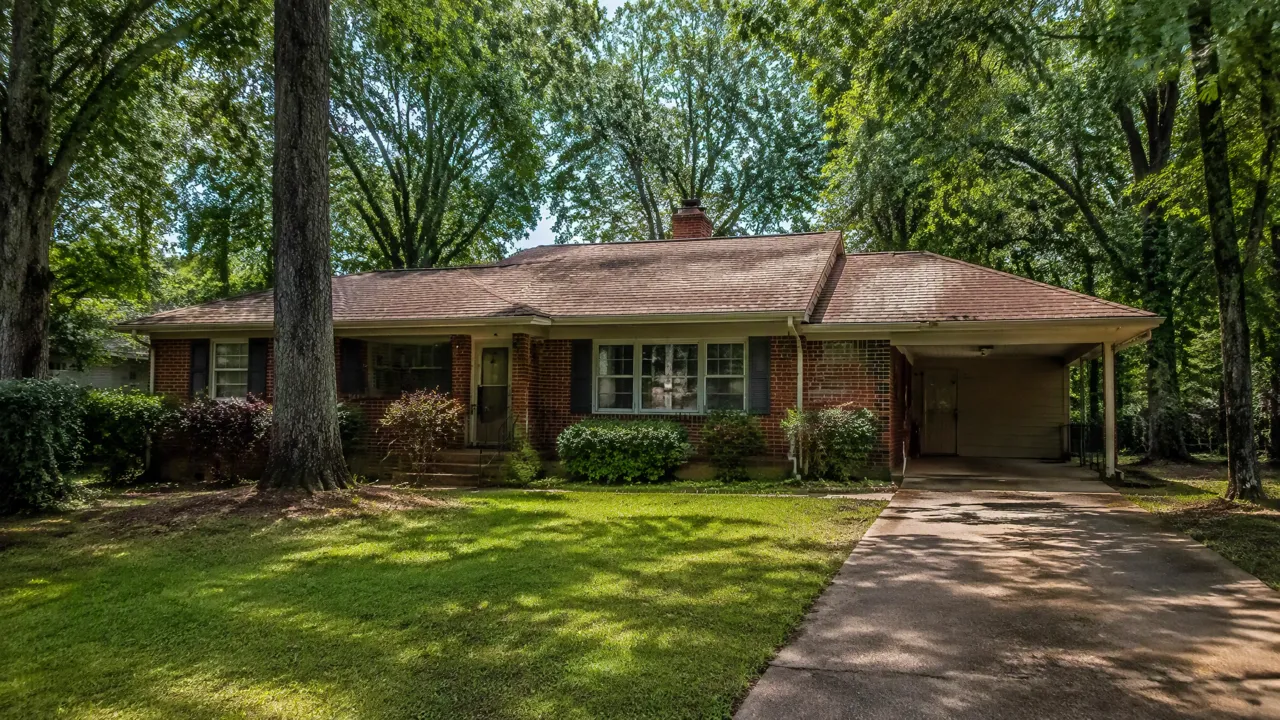
A single value as of the date of passing may cover more than one need, the probate inventory and the heirs' basis among them; settling the inherited home itself is the subject of the estate appraisal page. Raise the idea of one report for several uses with your adviser and with the appraiser before the scope is fixed.
Send the address and the date your adviser gave you
Tell us the Charlotte property, the effective date your adviser identified and why you need the value; we will reply with scope, fee and next steps.
Request a retrospective appraisal quote · Call (980) 580-7007
A few questions that come up.
What is a step-up in basis?
Inherited property generally takes as its basis its fair market value on the date of passing. A later sale above that basis is a taxable gain. Your tax adviser can confirm how it applies to you.
Can you tell me how much tax I will owe?
No. An appraisal supports a value. It does not settle a tax outcome, and acceptance by the IRS cannot be promised.
Eagle Home Appraisal Charlotte